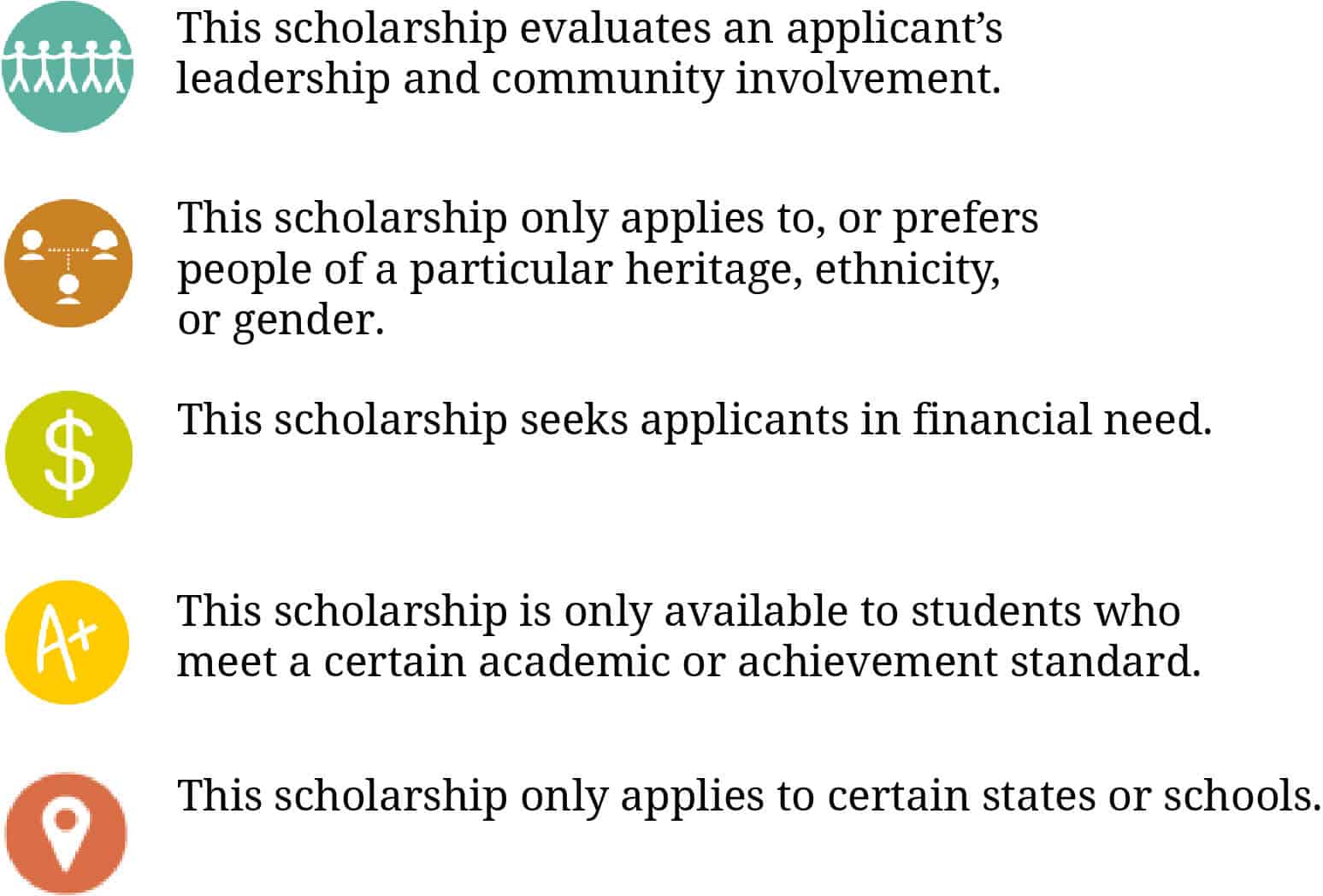
List Of How Do You Get A Scholarship To College Ideas. Web winning scholarships can help you afford college & related expenses. Seek out similar applications 5.
Top 175 Scholarships for College Students from www.mometrix.com
Find out when and how to apply so you can lower the cost of college. Web the scholarships are offered through australian higher education providers such as university of sydney and university of newcastle. A scholarship is money you receive to help cover the cost of attending college.
Providence College Acceptance Rate and More from www.thoughtco.com
Are you considering attending college in Providence, RI? If so, you're in the right place! In this article, we will explore what college is in Providence, RI, and provide you with all the information you need to make an informed decision. Whether you're a local resident or considering relocating to the area, Providence offers a wide range of educational opportunities.
Pain Points of Attending College in Providence, RI
When it comes to choosing a college, there are often several pain points that students consider. These can include the cost of tuition, the availability of financial aid, the quality of the education and faculty, the campus facilities, and the overall reputation of the institution. It's important to carefully evaluate these factors to ensure that you make the best choice for your future.
Answering the Question: What College is in Providence, RI?
Providence is home to several colleges and universities that offer a variety of degree programs and educational opportunities. Some of the most well-known institutions include Brown University, Providence College, Rhode Island College, and Johnson & Wales University. Each of these schools has its own unique strengths and offerings, so it's important to research and visit each campus to determine which one is the best fit for you.
Summary of What College is in Providence, RI
In summary, Providence, RI is home to several colleges and universities that offer a wide range of educational opportunities. From Ivy League institutions to smaller liberal arts colleges, there is a school to suit every interest and academic goal. When choosing a college in Providence, it's important to consider factors such as cost, financial aid options, campus facilities, and the overall reputation of the institution. By carefully evaluating these factors, you can make an informed decision about which college is the best fit for you.
Exploring the Target Audience of What College is in Providence, RI
When it comes to choosing a college in Providence, RI, there are several factors that potential students should consider. One of the key considerations is the specific target audience that each college or university caters to. For example, Brown University is known for its prestigious Ivy League education and rigorous academic programs. It attracts students who are looking for a challenging and intellectually stimulating environment.
In contrast, Providence College offers a more traditional liberal arts education with a focus on the humanities and social sciences. It attracts students who are interested in a well-rounded education and a strong sense of community. Rhode Island College, on the other hand, is a public institution that offers a more affordable education option for in-state residents.
Johnson & Wales University is known for its programs in business, hospitality, and culinary arts. It attracts students who are interested in pursuing careers in these industries and offers hands-on learning experiences.
By understanding the target audience of each college, you can better determine which institution aligns with your educational and career goals.
Understanding the History and Myth of What College is in Providence, RI
Providence, RI has a rich history when it comes to higher education. Brown University, founded in 1764, is one of the oldest universities in the United States. It has a long-standing reputation for academic excellence and has produced many notable alumni, including eight Nobel laureates.
Providence College, founded in 1917, has a strong Catholic identity and is dedicated to providing a liberal arts education within the Dominican tradition. Rhode Island College, founded in 1854, has a history rooted in teacher education and offers a wide range of undergraduate and graduate programs.
Johnson & Wales University, founded in 1914, has a unique history in the culinary arts and hospitality industry. It offers programs that combine academic study with hands-on learning experiences, preparing students for careers in these fields.
While each college has its own unique history and myth, they all contribute to the vibrant educational landscape of Providence, RI.
Discovering the Hidden Secrets of What College is in Providence, RI
While the colleges and universities in Providence, RI are well-known for their academic programs and campus facilities, there are also hidden secrets that make them even more special. For example, Brown University is home to the John Hay Library, which houses rare books, manuscripts, and archives. It is a treasure trove of knowledge and history.
Providence College has a beautiful campus with stunning architecture, including the iconic Harkins Hall. The campus also features a peaceful meditation garden, which provides a serene escape from the hustle and bustle of college life.
Rhode Island College is home to the Bannister Gallery, which showcases the work of local and national artists. It is a hidden gem for art enthusiasts.
Johnson & Wales University has state-of-the-art culinary and hospitality facilities, including a student-run restaurant and hotel. It offers students real-world experience in their chosen fields.
These hidden secrets add to the overall college experience and make attending college in Providence, RI even more special.
Recommendations for What College is in Providence, RI
When it comes to choosing a college in Providence, RI, it's important to consider your individual needs and goals. Here are some recommendations based on different preferences:
- If you're interested in a prestigious Ivy League education and are willing to invest in a rigorous academic experience, Brown University may be the right choice for you.
- If you're looking for a well-rounded liberal arts education and a strong sense of community, Providence College offers a supportive and inclusive environment.
- If you're a Rhode Island resident looking for an affordable education option, Rhode Island College provides a high-quality education at a lower cost.
- If you're interested in pursuing a career in business, hospitality, or culinary arts, Johnson & Wales University offers specialized programs and hands-on learning experiences.
By considering these recommendations, you can narrow down your options and choose the college that best aligns with your interests and goals.
Explaining What College is in Providence, RI in More Detail
When it comes to what college is in Providence, RI, each institution offers a unique educational experience. Brown University is known for its rigorous academic programs and emphasis on research and critical thinking. It is consistently ranked as one of the top universities in the country.
Providence College offers a liberal arts education that focuses on developing well-rounded individuals. Students have the opportunity to explore a wide range of academic disciplines and engage in meaningful community service.
Rhode Island College provides a comprehensive education with a focus on teacher education, health sciences, and the arts. It offers a supportive learning environment and a variety of extracurricular activities.
Johnson & Wales University specializes in business, hospitality, culinary arts, and technology. It offers hands-on learning experiences and prepares students for careers in these industries.
By understanding the unique qualities and strengths of each institution, you can make an informed decision about which college is the best fit for you.
Tips for What College is in Providence, RI
When it comes to choosing a college in Providence, RI, here are some tips to help you make the best decision:
1. Visit the campuses: Take the time to visit each college campus to get a feel for the environment and facilities. Attend information sessions and take a campus tour to learn more about the programs and resources available.
2. Talk to current students: Reach out to current students at each college to get their perspective on the academic programs, campus life, and overall college experience. Ask questions and get a sense of the community and support available.
3. Consider your academic interests: Think about your academic interests and goals. Research the programs and departments offered at each college to ensure they align with your interests and career aspirations.
4. Evaluate financial aid options: Consider the cost of tuition and the availability of financial aid. Research scholarships, grants, and work-study opportunities to determine the affordability of each college.
5. Seek guidance from counselors and advisors: Talk to high school counselors, college advisors, and mentors for guidance and support during the college selection process. They can provide valuable insights and help you make an informed decision.
By following these tips, you can navigate the college selection process and choose the best college in Providence, RI for your educational journey.
What if What College is in Providence, RI?
If you're still undecided about what college is in Providence, RI, consider reaching out to admissions representatives at each institution. They can provide more information about the programs, campus life, and opportunities available. Additionally, attending college fairs and information sessions can help you gather more information and make a decision.
Fun Facts About What College is in Providence, RI
Here are some fun facts about the colleges in Providence, RI:
- Brown University is home to the largest collection of books in the Ivy League.
- Providence College has a rivalry with nearby college, Bryant University, known as the "Battle of the Bridge."
- Rhode Island College was originally founded as the Rhode Island State Normal School to train teachers.
- Johnson & Wales University's culinary programs have produced many successful chefs and industry leaders.
These fun facts add to the unique character and history of each college in Providence, RI.
Do You Need to Go to College to Be a Real Estate Investor? from investfourmore.com
Are you considering a career in real estate but unsure if you need to go to college? In this article, we will explore the question "Do I need to go to college for real estate?" and provide you with all the information you need to make an informed decision.
Understanding the Pain Points
Many individuals interested in pursuing a career in real estate are concerned about the time and financial commitment required to attend college. They wonder if it is necessary to obtain a degree in order to succeed in the industry. Additionally, some may be hesitant to take on the burden of student loans or have other personal responsibilities that prevent them from pursuing a traditional college education.
Answering the Question
The short answer to the question "Do I need to go to college for real estate?" is no, it is not a requirement. In fact, becoming a real estate agent or broker typically only requires completing a specific number of hours of pre-licensing education and passing a state licensing exam. However, it is important to note that each state has different requirements, so it is crucial to research the specific regulations in your area.
Summarizing the Main Points
In summary, while a college degree is not necessary to pursue a career in real estate, it can provide certain advantages. Networking opportunities, business skills, and a deeper understanding of the industry can be gained through a college education. However, it is possible to succeed in real estate without a degree by focusing on gaining practical experience, building a strong network, and continuously educating oneself through professional development courses.
Personal Experience: Do I Need to Go to College for Real Estate?
As a real estate agent with over 10 years of experience, I can confidently say that a college degree is not a requirement for success in this industry. While I hold a bachelor's degree in business administration, I have colleagues who have achieved great success without any college education. What truly matters in real estate is your dedication, work ethic, and ability to build relationships with clients.
When I first started my career, I was unsure if I needed a college degree to excel in real estate. However, I quickly realized that practical experience and industry knowledge were more valuable. By attending industry conferences, taking continuing education courses, and learning from experienced professionals, I was able to develop the skills necessary to thrive in this competitive field.
Understanding Do I Need to Go to College for Real Estate
Do I need to go to college for real estate refers to the question of whether obtaining a college degree is necessary to pursue a career in the real estate industry. While some professions within the field, such as real estate appraisers or property managers, may require a degree, becoming a real estate agent or broker typically does not.
Instead, individuals interested in becoming agents or brokers must complete a certain number of hours of pre-licensing education, which can be obtained through online courses or in-person classes. Once the education requirement is met, aspiring agents or brokers must pass a state licensing exam to practice real estate in their respective state.
While a college degree is not mandatory for real estate success, it can provide valuable skills and knowledge that can be beneficial in the industry. Courses in business, finance, marketing, and communication can help individuals develop a strong foundation for their real estate career.
The History and Myth of Do I Need to Go to College for Real Estate
The myth that a college degree is necessary for success in real estate stems from the belief that higher education guarantees a higher income and better job prospects. However, this is not always the case in the real estate industry. Many successful agents and brokers have built their careers through hands-on experience, networking, and continuous professional development.
In the past, a college degree may have been more valuable in the real estate industry. However, with advancements in technology and changes in consumer behavior, practical skills and industry knowledge have become more important. Clients are looking for agents who can effectively market properties, negotiate deals, and provide exceptional customer service, rather than those with a specific degree.
The Hidden Secret of Do I Need to Go to College for Real Estate
The hidden secret of whether or not you need to go to college for real estate is that success in this industry is not solely dependent on formal education. While a college degree can provide certain advantages, such as a broader knowledge base and networking opportunities, it is not a determining factor in one's ability to succeed.
What truly matters in real estate is a combination of practical skills, industry knowledge, and personal qualities such as determination, perseverance, and excellent communication skills. Building a strong network, continuously learning and adapting to market trends, and providing exceptional service to clients are key factors in achieving success in this industry.
Recommendations for Do I Need to Go to College for Real Estate
If you are considering a career in real estate and are unsure if you need to go to college, here are some recommendations to help you make an informed decision:
1. Research the specific licensing requirements in your state: Understand the education and licensing requirements to become a real estate agent or broker in your area. This will give you a clear understanding of the necessary steps to enter the industry.
2. Evaluate your personal goals and circumstances: Consider your long-term career goals, financial situation, and personal responsibilities. Determine if pursuing a college education aligns with your aspirations and if it is feasible given your current circumstances.
3. Explore alternative education options: If you decide that a college degree is not the right path for you, explore alternative education options such as online courses, real estate training programs, or mentorship opportunities. These can provide valuable industry knowledge and practical skills.
4. Gain practical experience: Regardless of your educational background, gaining practical experience is crucial in the real estate industry. Consider interning or working for a real estate agency to learn the ropes and gain hands-on experience.
Remember, success in real estate is not solely dependent on a college degree. It is a combination of practical skills, industry knowledge, networking, and personal qualities that will set you apart and lead to a successful career.
Exploring Do I Need to Go to College for Real Estate in More Detail
When considering the question of whether or not to go to college for real estate, it is important to delve into the topic in more detail. While a college degree is not a requirement, it can provide certain advantages in terms of knowledge, skills, and networking opportunities.
However, it is crucial to remember that success in real estate is not solely dependent on formal education. Gaining practical experience, continuously learning and adapting to industry trends, and building a strong network are equally important factors in achieving success.
Tips for Do I Need to Go to College for Real Estate
If you are contemplating whether or not to go to college for a career in real estate, consider the following tips:
1. Research the specific requirements in your state: Understand the licensing requirements and education options available in your state. This will give you a clear understanding of the steps you need to take to enter the industry.
2. Network with industry professionals: Build relationships with experienced real estate agents and brokers. Attend industry events, join professional organizations, and seek mentorship opportunities. Networking can provide valuable insights and opportunities in the real estate industry.
3. Continuously educate yourself: Regardless of whether or not you pursue a college degree, continuously educate yourself in the field of real estate. Take advantage of professional development courses, attend workshops and seminars, and stay up to date with industry news and trends.
4. Gain practical experience: Practical experience is invaluable in the real estate industry. Consider interning or working for a real estate agency to gain hands-on experience and learn from experienced professionals.
Conclusion of Do I Need to Go to College for Real Estate
In conclusion, a college degree is not a requirement for success in the real estate industry. While it can provide certain advantages in terms of knowledge and networking opportunities, practical experience and industry knowledge are equally important. Ultimately, success in real estate is determined by a combination of practical skills, industry knowledge, personal qualities, and dedication to continuous learning and growth.
If you are passionate about real estate and willing to put in the effort to learn and grow in the industry, you can achieve success, regardless of whether or not you have a college degree.
Remember, the decision of whether or not to go to college for real estate is a personal one. Consider your goals, aspirations, and circumstances, and make an informed decision that aligns with your individual path to success in the real estate industry.
Question and Answer
Q: Do I need a college degree to become a real estate agent? A: No, a college degree is not a requirement to become a real estate agent. However, specific education and licensing requirements vary by state, so it is important to research the regulations in your area.
Q: Will having a college degree give me an advantage in the real estate industry? A: While a college degree can provide certain advantages, such as a broader knowledge base and networking opportunities, practical experience and industry knowledge are equally valuable in the real estate industry.
Q: Can I be successful in real estate without a college degree? A: Yes, many successful real estate agents and brokers have achieved great success without a college degree. Gaining practical
Should College Athletes Be Paid? Question YouTube from www.youtube.com
Attention all sports fans and athletes! Have you ever wondered what percent of college athletes get injured? Well, you're in luck! In this article, we'll dive into the world of college sports and explore the statistics and facts surrounding athlete injuries. Whether you're a current student-athlete, a parent, or simply curious about the topic, this article will provide you with valuable insights and information.
When it comes to college sports, injuries are a common concern for athletes and their families. The physical demands of collegiate athletics can take a toll on the body, leading to a higher risk of injury. This can be a source of stress and worry for both athletes and their loved ones, as injuries can have long-lasting effects on an athlete's performance and future prospects.
So, what percent of college athletes get injured? According to research and studies, the exact percentage varies depending on the sport and the level of competition. However, it is estimated that around 30% to 40% of college athletes experience some form of injury during their collegiate career. This means that a significant number of athletes face the challenges and setbacks that come with injuries.
In summary, college athletes are not immune to injuries, with a considerable percentage experiencing some form of injury during their time in college. These injuries can have a significant impact on an athlete's performance and future prospects. It is crucial for athletes, coaches, and sports medicine professionals to prioritize injury prevention and proper care to ensure the well-being and success of college athletes.
What Percent of College Athletes Get Injured: Insights and Experiences
As a former college athlete, I can personally attest to the realities of injuries in collegiate sports. During my time on the basketball team, I witnessed several teammates and opponents suffer from various injuries, ranging from sprained ankles to more severe injuries like torn ligaments. These injuries not only affected their ability to compete but also impacted their overall well-being and mental health.
When it comes to injury rates, certain sports tend to have higher risks. Contact sports such as football and rugby often have higher rates of injuries compared to low-impact sports like swimming or golf. Additionally, the level of competition also plays a role, with Division I athletes being more prone to injuries due to the intense training and higher level of play.
Despite the risks, colleges and universities have implemented various measures to minimize the occurrence of injuries. These include mandatory pre-season physicals, regular check-ups, and access to sports medicine professionals. Coaches and trainers also play a crucial role in injury prevention by incorporating proper warm-ups, conditioning exercises, and injury prevention programs into their training regimens.
History and Myth of College Athlete Injuries
Throughout history, the topic of college athlete injuries has been a subject of concern and debate. Some argue that the pressure to perform at a high level and secure scholarships pushes athletes to push through pain and injuries, leading to more severe issues in the long run. On the other hand, others believe that injuries are simply a part of the game and cannot be entirely prevented.
However, it is important to dispel the myth that injuries are inevitable and unavoidable. While sports inherently involve risks, proper training, conditioning, and injury prevention strategies can significantly reduce the likelihood of injuries. By prioritizing the well-being and safety of college athletes, we can create a culture that promotes healthy competition and longevity in sports.
The Hidden Secrets of College Athlete Injuries
While the statistics surrounding college athlete injuries are widely known, there are hidden secrets that often go unnoticed. One such secret is the impact of mental health on injury rates. Studies have shown that athletes who experience high levels of stress, anxiety, or depression are more prone to injuries. This emphasizes the importance of addressing mental health concerns and providing adequate support and resources for athletes.
Another hidden secret is the long-term consequences of injuries. While some injuries may heal with time and proper treatment, others can have lasting effects on an athlete's physical abilities and overall well-being. It is crucial for athletes, coaches, and medical professionals to recognize the potential long-term consequences and provide appropriate care and rehabilitation.
Recommendations for College Athlete Injury Prevention
Based on the research and experiences in the field, here are some recommendations for college athlete injury prevention:
Implement comprehensive warm-up and cool-down routines to prepare the body for physical exertion and aid in recovery.
Encourage proper nutrition and hydration to support overall health and optimize performance.
Provide access to qualified sports medicine professionals who can assess and address any underlying issues or imbalances.
Emphasize the importance of rest and recovery to prevent overuse injuries and promote overall well-being.
By following these recommendations and prioritizing injury prevention, colleges and universities can create a safer and more supportive environment for their student-athletes.
What Percent of College Athletes Get Injured: A Detailed Look
When examining the topic of college athlete injuries in more detail, it is important to consider the various factors that contribute to the overall percentage. These factors include:
The type of sport: Contact sports like football and soccer tend to have higher injury rates compared to individual sports like tennis or golf.
The level of competition: Division I athletes often face a higher risk of injuries due to the intense training and competition.
The athlete's position: Certain positions in team sports may have a higher risk of injuries, such as quarterbacks in football or pitchers in baseball.
Understanding these factors can help athletes, coaches, and medical professionals tailor their injury prevention strategies and provide targeted support to those at higher risk.
Tips for College Athlete Injury Prevention
To reduce the risk of injuries, college athletes can follow these tips:
Listen to your body and communicate any pain or discomfort to your coach or medical staff.
Follow proper warm-up and cool-down routines before and after practice or games.
Make sure to incorporate strength and conditioning exercises into your training regimen.
Practice proper technique and form to avoid unnecessary strain on your body.
By incorporating these tips into your athletic routine, you can minimize the risk of injuries and maximize your performance and longevity in sports.
Conclusion of What Percent of College Athletes Get Injured
In conclusion, injuries are an inherent part of college sports, with a significant percentage of athletes experiencing some form of injury during their collegiate career. However, with proper injury prevention strategies, support, and care, the risks can be minimized, and athletes can thrive both on and off the field. By prioritizing the well-being and safety of college athletes, we can create a culture that promotes healthy competition and long-term success in sports.
Is There No Goddess in My College? 50 อ่าน Is There No Goddess in My from www.mangathai.com
Are you a fan of the popular anime series "Is There No Goddess in My College 50"? If so, you're not alone. This captivating show has captured the hearts of viewers around the world with its unique storyline and lovable characters. But have you ever wondered about the deeper meaning behind the series? In this article, we will explore the hidden secrets, fascinating history, and personal experiences related to "Is There No Goddess in My College 50". So grab your popcorn and get ready to dive into the world of this enchanting anime.
The Pain Points of "Is There No Goddess in My College 50"
One of the pain points that fans of "Is There No Goddess in My College 50" often face is the longing for a goddess-like figure in their own lives. The series portrays a college student who discovers that he is living with a goddess, and many viewers find themselves yearning for the same kind of divine presence in their own world. This desire for a higher power or supernatural being is a common theme in many anime series, and it speaks to our innate human need for guidance and protection.
The Target of "Is There No Goddess in My College 50"
"Is There No Goddess in My College 50" primarily targets young adult viewers who enjoy fantasy and romance genres. The series explores themes of love, friendship, and self-discovery, which resonate with this demographic. Additionally, fans of the original light novel and manga series are drawn to the anime adaptation, eager to see their favorite characters come to life on the screen.
Main Points of "Is There No Goddess in My College 50"
Throughout the series, "Is There No Goddess in My College 50" touches on several important themes. First and foremost, it explores the power of love and how it can transform individuals and relationships. The show also delves into the concept of destiny and the idea that our paths in life are predetermined. Additionally, "Is There No Goddess in My College 50" addresses the challenges of balancing personal desires and responsibilities.
What is "Is There No Goddess in My College 50"?
"Is There No Goddess in My College 50" is a romantic comedy anime series based on the light novel and manga of the same name. The story follows Keiichi Morisato, a college student who accidentally dials the wrong number and reaches the Goddess Help Line. As a result, a beautiful goddess named Belldandy appears to grant him a wish. Keiichi wishes for a goddess like Belldandy to stay by his side forever, and thus begins their heartwarming and comedic journey together.
The History and Myth of "Is There No Goddess in My College 50"
The history of "Is There No Goddess in My College 50" dates back to 1988 when it was first serialized as a manga. The series gained popularity and was later adapted into an anime in 1993. Since then, it has become a beloved franchise with multiple seasons, OVAs (original video animations), and spin-off series.
The Hidden Secrets of "Is There No Goddess in My College 50"
While "Is There No Goddess in My College 50" may appear to be a lighthearted romantic comedy on the surface, it actually explores deeper themes and hidden secrets. One of the secrets revealed throughout the series is the true nature of Belldandy and her connection to the divine realm. As the story unfolds, viewers learn more about the complex hierarchy of gods and goddesses and the challenges they face in the mortal world.
Recommendations for "Is There No Goddess in My College 50"
If you're a fan of "Is There No Goddess in My College 50", you might also enjoy other anime series with similar themes. Some recommendations include "Ah! My Goddess", "The World God Only Knows", and "Love, Chunibyo & Other Delusions". These shows explore romance, fantasy, and the supernatural in unique and captivating ways, providing hours of entertainment for anime enthusiasts.
Exploring the Themes of "Is There No Goddess in My College 50"
"Is There No Goddess in My College 50" delves into several themes that resonate with viewers. One of these themes is the power of belief and the impact it can have on our lives. The series also explores the idea of fate and whether or not we have control over our own destinies. Additionally, "Is There No Goddess in My College 50" touches on the importance of communication and understanding in relationships.
Tips for Enjoying "Is There No Goddess in My College 50"
If you're new to "Is There No Goddess in My College 50" or looking to enhance your viewing experience, here are a few tips to keep in mind. First, try reading the original light novel or manga to gain a deeper understanding of the characters and story. Additionally, engage with the fan community online to discuss theories and interpretations. Finally, take the time to appreciate the animation and soundtrack, as they enhance the overall viewing experience.
Exploring the Characters of "Is There No Goddess in My College 50"
The characters in "Is There No Goddess in My College 50" are diverse and well-developed, each with their own unique personalities and motivations. Keiichi Morisato, the protagonist, is a kind-hearted and hardworking college student who often finds himself in comical situations. Belldandy, the goddess, is gentle and compassionate, bringing a sense of calm to Keiichi's life. Supporting characters such as Urd, Skuld, and Megumi add depth and humor to the series.
Fun Facts about "Is There No Goddess in My College 50"
Did you know that "Is There No Goddess in My College 50" holds the Guinness World Record for the longest-running OVA series? With over 300 episodes, it's no wonder this franchise has become a staple in the anime industry. Additionally, the series has inspired a devoted fanbase and numerous fan conventions and events. "Is There No Goddess in My College 50" has also been praised for its positive portrayal of relationships and its ability to blend comedy and romance seamlessly.
How to Watch "Is There No Goddess in My College 50"
If you're interested in watching "Is There No Goddess in My College 50", there are several options available to you. The anime series can be streamed on various online platforms, such as Crunchyroll and Funimation. Additionally, the original manga and light novel can be purchased or borrowed from libraries. Whether you prefer to read or watch, "Is There No Goddess in My College 50" offers a delightful and heartwarming story that is sure to captivate your imagination.
What If There Was No "Is There No Goddess in My College 50"?
If "Is There No Goddess in My College 50" did not exist, the world of anime would be missing out on a beloved and influential series. This franchise has inspired countless fans and has left a lasting impact on the genre as a whole. The absence of "Is There No Goddess in My College 50" would also mean the loss of its rich mythology and endearing characters, leaving a void in the hearts of viewers.
Listicle of "Is There No Goddess in My College 50"
1. Top 10 Memorable Moments in "Is There No Goddess in My College 50" 2. 5 Reasons Why Belldandy is the Ultimate Waifu 3. The Best Episodes of "Is There No Goddess in My College 50" Ranked 4. 7 Hidden Easter Eggs You Missed in "Is There No Goddess in My College 50" 5. The Impact of "Is There No Goddess in My College 50" on the Anime Industry
Question and Answer Section
Q: Will there be a sequel to "Is There No Goddess in My College 50"?
A: As of now, there are no official announcements regarding a sequel to "Is There No Goddess in My College 50". However, fans remain hopeful for future adaptations or spin-offs.
Q: Where can I buy merchandise related to "Is There No Goddess in My College 50"?
A: You can find "Is There No Goddess in My College 50" merchandise on various online platforms, such as Amazon, eBay, and anime specialty stores. Additionally, official merchandise may be available at conventions and events.
Q: Is "Is There No Goddess in My College 50" appropriate for all ages?
A: "Is There No Goddess in My College 50" is generally considered suitable for a teenage and adult audience. The series contains mild fan service and romantic themes.
Q: What makes "Is There No Goddess in My College 50" unique compared to other anime series?
A: "Is There No Goddess in My College 50" stands out for its heartwarming and comedic storytelling, as well as its exploration of themes such as destiny and love. The series also features well-developed characters and a rich mythology that sets it apart from other anime.
Conclusion of "Is There No Goddess in My College 50"
"Is There No Goddess in My College 50" is more than just a captivating anime series. It explores